
Longevity and quality of life
Updated: Oct 1
On International Day of Older Persons, a reflection on how humanity has gained additional decades of life and the challenge of living those years with health, autonomy, and well-being.
High-TechSociety.com | By Luiz Cincurá | Cite
October 1st is celebrated as the International Day of Older Persons, a global mobilization dedicated to drawing attention to the aging population, valuing older people, and the importance of promoting conditions for a longer, healthier, and higher-quality life.

The date was established by the United Nations General Assembly on December 14, 1990 , through Resolution 45/106 , and first celebrated in 1991. Its creation was part of an international movement to address the growing elderly population and the challenges related to health, autonomy, social participation, and quality of life throughout aging .
The initiative gained relevance as the aging population began to transform different aspects of life in society. Living longer expands the possibilities for intergenerational coexistence and for older people to participate in family, work, and community, but it also brings new challenges related to health, autonomy, income, care, and quality of life.
In 2026 , the chosen theme for the date is "The Age of Longevity: Rethinking Systems for Longer Lives." The proposal reflects a transformation that transcends governments and institutions: humanity is living longer, and understanding how we achieved these additional years—and how we can live them better—has become a matter of interest for the whole of society.
The choice couldn't be more relevant. Humanity has never lived so long.
Life expectancy throughout the centuries
Living to advanced ages is not a possibility exclusive to the modern world. There are records, dating back to antiquity, of people who reached 60, 70 years of age or more. This, however, does not mean that reaching these ages was as common as it is today.
Throughout much of history, the risk of death was high at virtually every stage of life . Infant and child mortality had a huge influence on the low life expectancy, but it was not the only explanation. Young people and adults were also much more exposed to infectious diseases, epidemics, childbirth complications, injuries, wars, periods of food scarcity, and illnesses for which there were no effective preventions or treatments.
Not even wealth and social standing guaranteed protection. Kings, nobles, and members of the elite also frequently died young because many of the medical resources considered basic today simply did not exist.
Therefore, the great transformation of modern longevity cannot be summarized by the reduction in infant mortality. The chances of survival have progressively increased at different stages of life. More children have reached adulthood, more adults have reached old age, and more elderly people have reached even more advanced ages.
The fundamental difference is not that in the past nobody grew old. It's that reaching old age was much less frequent and much more uncertain than it is today.
Historical data shows that life expectancy remained low for much of human history and only increased more rapidly in the last two centuries. In earlier periods, the numbers are estimates based on archaeological studies and records of specific populations; in more recent times, they reflect increasingly comprehensive demographic series.
Period | Life expectancy at birth | Observation |
approximately 25 years | Estimates obtained from human remains and demographic models | |
Greco-Roman antiquity | approximately 20–30 years | Estimates reconstructed by researchers from censuses, historical records, inscriptions, and other ancient sources, with variations between regions and periods. |
Middle Ages | frequently 20–35 years | Estimates reconstructed from parish records, tax records, and other historical sources, with variations between regions and periods. |
16th–18th centuries | approximately 25–40 years , depending on region and time period. | Estimates based on parish records, censuses, and historical mortality series, with significant differences between countries and periods. |
1800 | Under 30 years old , world average. | Beginning of long-term global life expectancy estimates reconstructed from historical and demographic records; no country exceeded 40 years of life expectancy. |
1900 | approximately 32 years , the world average. | The beginning of the great acceleration in longevity in the 20th century, favored by the expansion of sanitation, vaccination, improved nutrition, and advances in medicine. |
1950 | approximately 46 years , the world average. | Life expectancy was increasing rapidly, but there were still large inequalities between countries, reflecting differences in sanitation, vaccination, nutrition, income, and access to medical care. |
2000 | approximately 67 years , the world average. | Increased longevity is widespread across most of the world, with a broad expansion of sanitation and medical resources. |
2023 | approximately 73 years , the world average. | Global life expectancy has reached approximately 73 years; this data is consolidated in international series from the UN and Our World in Data. |
2024 | approximately 73 years | UN estimate produced in the 2024 review, while that year was still in progress. |
2025 | approximately 74 years | UN demographic projection; UNFPA reports 71 years for men and 76 years for women. Based on the WPP 2024 data, these are projections because they were in the future when the revision was made. |
2026 | approximately 74 years | UN projection based on the average demographic scenario; should not be presented as observed data. |
Why has life expectancy increased so much?
There is no single discovery responsible for increased longevity.
The transformation began with a combination of changes that may seem elementary today, but had an enormous impact on human survival: drinking water, sanitation, better hygiene conditions, greater food availability, and improved housing and working conditions.
Subsequently, vaccination began to prevent infectious diseases that caused millions of deaths. Antibiotics made bacterial infections that were previously fatal treatable. Assistance during pregnancy and childbirth reduced maternal and infant mortality. Medicine advanced in the diagnosis and treatment of diseases , while improved economic and social conditions broadened access to food, education, and healthcare for increasing segments of the population.
None of these factors, in isolation, explains the increase in decades of life. Current longevity is the result of a historical process that has brought together public health, science, medicine, technology, and improved living conditions.
Medicine has come to see what it couldn't see before.
A significant part of this progress occurred because medicine acquired the ability to identify changes in the body long before their final consequences.
High blood pressure is a good example. A person can have high blood pressure for years without noticing significant symptoms. Today, a simple measurement allows the change to be identified, and different classes of medications can help control it, reducing the risk of complications such as stroke, heart attack, and heart failure.
Something similar happened with cholesterol and diabetes .
Laboratory tests can reveal changes that would not be noticeable simply by observing the patient. Medications have been used to control risk factors and chronic diseases for years or decades.
At the same time, medicine literally learned to see inside the human body .
X-rays paved the way for this at the end of the 19th century . Then came ultrasound, computed tomography, magnetic resonance imaging , and increasingly sophisticated methods of diagnostic imaging . Internal changes that previously could only be discovered at an advanced stage – or after death – began to be identified in living people and, in many cases, before causing irreversible damage.
Cardiology has developed electrocardiograms, echocardiograms, catheterizations, angioplasties, stents, pacemakers, and other resources capable of diagnosing and treating cardiovascular diseases.
Cancer treatment has also undergone successive transformations. Screening and diagnostic imaging methods, laboratory tests, biopsies, surgery, radiotherapy, chemotherapy , and, more recently, targeted therapies and immunotherapies have expanded the possibilities for detecting and treating different tumors.
Surgery has also undergone a profound transformation. Safer anesthesia, infection control, blood transfusions, intensive care units, imaging techniques, minimally invasive procedures, and, more recently, robotic-assisted surgery have increased the precision of interventions, reduced risks, and made it possible to treat conditions that would previously have been considered inoperable or would have involved much more aggressive procedures.
Modern medicine has thus moved from a frequently limited role in dealing with established disease to a growing capacity to prevent, detect early, and control chronic diseases, and to intervene before certain changes lead to disability or death.
The paradox of modern life
This enormous increase in longevity may seem contradictory.
Millions of people currently live in large urban centers, exposed to pollution and stress . Sedentary lifestyles have become commonplace. Ultra -processed foods occupy a significant place in the diets of many populations. Obesity, diabetes, cardiovascular diseases , and other chronic illnesses represent major challenges for public health.
So how do we continue to live so much longer?
Because the risks of contemporary life coexist with sanitary, medical, technological, and socioeconomic advances capable of preventing countless deaths that previously occurred prematurely.
A bacterial infection that could have killed a young person in the 19th century can now be treated with antibiotics . Water that previously transmitted disease can be treated . Several infections can be prevented by vaccination . A person with hypertension can discover the condition before suffering a stroke. A tumor can be identified when there are still better treatment options available.
The problems of modern life, therefore, remain important. On the contrary: as many causes of premature death have been controlled, chronic diseases and lifestyle-related factors have come to exert an increasing influence on health and on the quality of the additional years gained.
Living longer doesn't necessarily mean living well.
Increased longevity represents a significant achievement, but the number of years lived, by itself, does not tell us the conditions under which those years are lived . A person can live longer and, at the same time, spend part of that time dealing with chronic diseases, functional limitations, or loss of autonomy.
Therefore, it is important to distinguish between life expectancy and healthy life expectancy.
The first indicates, in general terms, how many years a population can expect to live under certain mortality conditions. The second seeks to estimate how many of those years people live in good health and without significant limitations.
The difference between these two concepts helps to show how the challenge of longevity has also transformed over time.
After an extraordinary historical achievement in reducing premature deaths, the goal became to also preserve physical and mental capacity, independence, autonomy, and social participation for longer.
What does science recommend for aging better?
There is no formula that can guarantee someone will reach 90, 100, or more years of age . Longevity results from a complex interaction between genetics, environment, socioeconomic conditions, access to healthcare, lifestyle habits, diseases, and individual events.
However, there are behaviors consistently associated with better health throughout life.
There is broad consensus in the medical literature and public health guidelines on the importance of a healthy diet, regular physical activity, and not smoking, which can reduce the risk of disease and promote healthier aging.
A balanced diet should prioritize variety and nutritional balance, including fruits, vegetables, legumes, whole grains , and other adequate sources of nutrients, while limiting excessive consumption of salt, free sugars, and harmful fats.
Studies and public health guidelines converge on the importance of maintaining regular physical activity even in older age. For people aged 65 and over , it is generally recommended to engage in 150 to 300 minutes per week of moderate-intensity aerobic activity, or 75 to 150 minutes of vigorous physical activity , in addition to muscle-strengthening exercises.
Activities focused on balance and strength can also help preserve functional capacity and reduce the risk of falls. Individual health conditions, of course, may require adaptations and professional guidance.
Another important component for healthy aging is maintaining social relationships .
In 2021 , Kavita Chawla, Tafadzwa Patience Kunonga, Daniel Stow, and colleagues published the study "Prevalence of loneliness amongst older people in high- income countries: A systematic review and meta-analysis" in PLOS ONE.
The research compiled 39 studies involving approximately 120,000 elderly people from 29 high-income countries . Most of the research was conducted in Europe , with participation also from populations in other regions. Researchers estimated that 28.5% of the elderly people analyzed experienced loneliness. The authors also observed that this proportion was lower in northern European countries than in southern and eastern European countries.
Another study, published in 2022 in the journal International Psychogeriatrics by Yingying Su, Wenwang Rao, Muzi Li, Gabriel Caron, Carl D'Arcy, and Xiangfei Meng, specifically analyzed the period of the COVID-19 pandemic. Titled “Prevalence of loneliness and social isolation among older adults during the COVID-19 pandemic: A systematic review and meta-analysis,” the work compiled 30 studies with 28,050 participants from 15 countries across four continents.
The research included countries in Europe – the United Kingdom, Germany, Spain, Austria, Ireland, Denmark, Norway, and Finland; North America – the United States and Canada; South America – Brazil; and Asia – Japan, China, South Korea, and Turkey. During the pandemic, researchers estimated that 28.6% of the elderly people analyzed reported loneliness and 31.2% exhibited social isolation .
The authors themselves highlighted that the contact restrictions and social distancing imposed during that period contributed to raising these rates.
Loneliness and social isolation, however, are not the same thing. Loneliness refers to the subjective perception of a lack of companionship or satisfying connection, while social isolation is more related to a scarcity of social contacts, bonds, or interactions.
A person can therefore have few social contacts without necessarily feeling lonely, just as they can feel lonely even while living with other people.
Aging healthily, therefore, involves much more than medication and medical appointments. Nutrition, movement, sleep, prevention, health monitoring, and maintaining family, emotional, and social bonds make up a set of factors that can influence how we age.
Complementary Video 5 — International Day of Older Persons: October 1st | Daily Dose of Days , published by Daily Dose of Days . The video honors older people and addresses their contribution to society, as well as issues such as care and social inclusion.
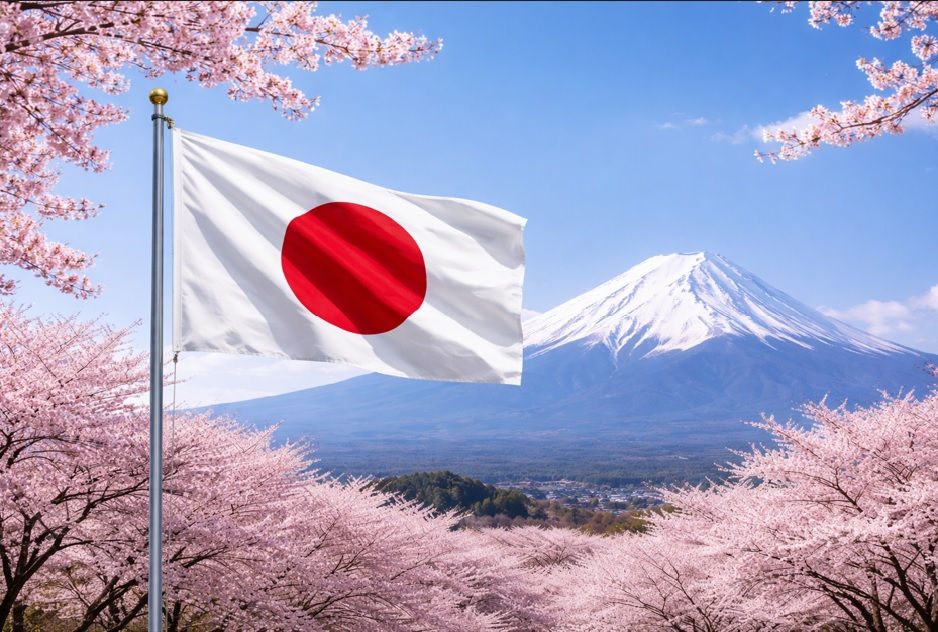
Japan surpasses 100,000 centenarians
Perhaps no current example represents the age of longevity as clearly as Japan.
In September 2026 , the Japanese Ministry of Health, Labour and Welfare announced a historic milestone: for the first time, Japan surpassed 100,000 people aged 100 or older.
There are 107,677 centenarians.
A historical comparison makes the number even more significant. In 1963 , when the Japanese government began systematically registering and honoring its centenarian citizens, there were only 153.
The total exceeded one thousand in 1981 , 10,000 in 1998, and 50,000 in 2012. Now it has surpassed 100,000.
Among the 107,677 centenarians registered in 2026 , 94,298 are women and 13,379 are men . Women represent approximately 87.6% of this group.
The phenomenon doesn't just mean that some exceptionally long-lived people have reached extreme ages. It occurs in a country that has been among those with the highest life expectancy on the planet for decades.
What explains Japan's centenary?
Perhaps the first important answer is this: there is no single Japanese secret to longevity.
And there is a particularly revealing historical fact. Japan has not always held a prominent position globally in this indicator. In the 1960s , it had the lowest life expectancy among the countries that currently make up the G7.
The country faced, among other problems, high mortality rates from cerebrovascular diseases, especially strokes, as well as high rates of stomach cancer.
In the following decades, this reality changed profoundly.
Economic development has improved general living conditions. Universal health coverage , implemented in 1961 , has expanded the population's access to medical services . Public health campaigns, medical monitoring , and the increasing use of diagnostic and therapeutic technologies have contributed to reducing various causes of mortality.
Food also seems to play a part in this story.
The traditional Japanese diet includes fish, vegetables, soy, and other plant-based foods. Over the decades, there have also been important changes, including greater dietary diversity and a reduction in excessive salt consumption , a factor linked to hypertension and the risk of stroke.
The low prevalence of obesity , historically observed in Japan compared to several other developed countries, is also cited as one of the factors associated with the high longevity of the Japanese population.
But none of these factors alone explains the more than 100,000 centenarians.
Japan appears to represent, above all, the cumulative result of improved material conditions, sanitation, education, nutrition, prevention, accessible medical care, technological advancements, and behavioral changes that have occurred over several decades.
Caution is also needed when faced with popular explanations that attribute Japanese longevity to a specific food, an isolated practice, or some supposed cultural "secret." Extreme longevity is a complex phenomenon, and associations observed in long-lived populations do not mean that a particular habit can guarantee that a person will reach 100 years of age.
Complementary video 5 — Okinawa and longevity: The Secrets To a Long Life – Okinawa, Japan , published by the Science for everyone channel on YouTube.
From 29 to over 73 years old
In just over two centuries, humanity has gone from a reality where the average life expectancy worldwide was below 30 years to one where it exceeds 73.
It wasn't the human organism that suddenly transformed.
The conditions under which we are born, grow up, eat, work, prevent diseases, receive diagnoses, are treated, and grow old have been profoundly transformed.
Treated water, sanitation, food, vaccination, antibiotics, medicines, laboratory tests, diagnostic imaging, surgery, prevention, and successive scientific and technological advances have helped to prevent millions of premature deaths.
The 107,677 Japanese who reached or surpassed 100 years of age represent a particularly expressive picture of this transformation. In 1963 , there were only 153 .
The achievement of longevity, however, brings with it a new challenge. After adding decades to the average duration of human life, it is necessary to find ways to ensure that an increasingly larger portion of those years are lived with health, autonomy, social relationships, and quality of life.
More than asking what the secret is to reaching 100 years of age, perhaps the most important question is another:
How can we transform a longer life into a healthier life?
It is precisely this reflection that takes on significance on the International Day of Older Persons in 2026 , when the world turns to a reality that a few centuries ago would have seemed extraordinary: we are, in fact, entering the age of longevity.
By Luiz Cincurá
Founder and Editor
Editorial transparency: The Editor defined the topic of this article, guided its development, and revised the text throughout the process until final approval. ChatGPT was used for research, drafting text proposals, and creating the article's illustration. As the author, the Editor assumes responsibility for the published content.
Notes:
¹ Levant: a historical region of the Eastern Mediterranean that roughly encompasses areas corresponding today to Israel, Palestine, Lebanon, Jordan, and parts of Syria.
² c.: abbreviation of the Latin circa , meaning "about" or "approximately" , used to indicate that a historical date is not known with certainty.
3 Ultra-processed foods: industrially formulated products, generally with many ingredients and additives, such as preservatives, colorings, flavorings, emulsifiers, and flavor enhancers. Some of these components and industrial processes also serve to increase durability, preserve product characteristics, and delay deterioration , allowing for shelf lives of several months or, in some cases, more than a year. Examples include soft drinks, packaged snacks, filled cookies, sugary breakfast cereals, instant noodles, nuggets, sausages, processed hamburgers, ready-made desserts, sweetened dairy drinks, cereal bars, instant soups, frozen pizzas, and various ready-to-eat or semi-prepared products.
4 Vigorous physical activity: exercise that requires intense effort, significantly accelerates breathing and heart rate, and makes it difficult to maintain a continuous conversation during the activity. Examples include running, climbing hills at a fast pace, cycling at high intensity, swimming at a brisk pace, and participating in competitive sports , depending on the person's physical condition.
5 To display subtitles in your native language on YouTube videos , click on settings, then English, click on English again, and then click on auto-translate . Next, scroll down to find and click on your native language.
Sources:
ABE, Saho; ZHANG, Shu; TOMATA, Yasutake; TSUDUKI, Tsuyoshi; SUGAWARA, Yumi; TSUJI, Ichiro. Japanese diet and survival time: The Ohsaki Cohort 1994 study. Clinical Nutrition , vol. 39, no. 1, p. 298–303, 2020.
CHAWLA, Kavita; KUNONGA, Tafadzwa Patience; STOW, Daniel; BARKER, Robert; CRAIG, Dawn; HANRATTY, Barbara. Prevalence of loneliness amongst older people in high- income countries: A systematic review and meta-analysis. PLOS ONE , v. 16, n. 7, 2021.
ESHED, Vered; GOPHER, Avi; GAGE, Timothy B.; HERSHKOVITZ, Israel. Has the transition to agriculture reshaped the demographic structure of prehistoric populations? New evidence from the Levant. American Journal of Physical Anthropology , v. 124, n. 4, p. 315–329, 2004.
IKEDA, Nayu et al. What has made the population of Japan healthy? The Lancet , v. 378, n. 9796, 2011.
IKEGAMI, Naoki et al. Japanese universal health coverage : evolution, achievements, and challenges . The Lancet , v. 378, n. 9796, p. 1106–1115, 2011.
MINISTRY OF HEALTH, LABOR AND WELFARE OF JAPAN.令和8年度百歳の高齢者へのお祝い状及び記念品の贈呈について[Regarding the delivery of congratulatory letters and commemorative gifts to people turning 100 years old in fiscal year 2026]. September 15, 2026. Official source for the registration of 107,677 people aged 100 or older in Japan , comprising 94,298 women and 13,379 men.
UNITED NATIONS. International Day of Older Persons. Information on the establishment of October 1st by United Nations General Assembly Resolution 45/106 and the background of the date.
UNITED NATIONS. Our World in Data . Life expectancy . Historical series compiled from Riley (2005), Zijdeman et al. (2015), Human Mortality Database and World Population Prospects 2024 , United Nations.
WORLD HEALTH ORGANIZATION (WHO). WHO webinar on the UN International Day of Older Persons 2026: The Age of Longevity: Rethinking Systems for Longer Lives . 1 oct. 2026.
ORGANIZATION FOR ECONOMIC CO-OPERATION AND DEVELOPMENT (OECD). The Health and Economic Benefits of Tackling Non-Communicable Diseases: Japan. Paris: OECD Publishing, 2026.
SU, Yingying; RAO, Wenwang; LI, Muzi; CARON, Gabriel; D'ARCY, Carl; MENG, Xiangfei. Prevalence of loneliness and social isolation among older adults during the COVID-19 pandemic: A systematic review and meta-analysis. International Psychogeriatrics , p. 229–241, 2022.
RILEY, James C. Estimates of Regional and Global Life Expectancy, 1800–2001 . Population and Development Review , v. 31, p. 537–543, 2005
SHIROTA, Masayuki; WATANABE, Norikazu; SUZUKI, Masataka; KOBORI, Masuko. Japanese-Style Diet and Cardiovascular Disease Mortality: A Systematic Review and Meta-Analysis of Prospective Cohort Studies. Nutrients , v. 14, n. 10, art. 2008, 2022.
How to cite this publication:
ANDRADE, Luiz Inácio Caribé Cincurá de. Longevity and quality of life . High-Tech Society, October 1, 2026. Available at: https://www.high-techsociety.com/en/post/longevity-and-quality-of-life#viewer-viewer-5ct0p22559


Comments